
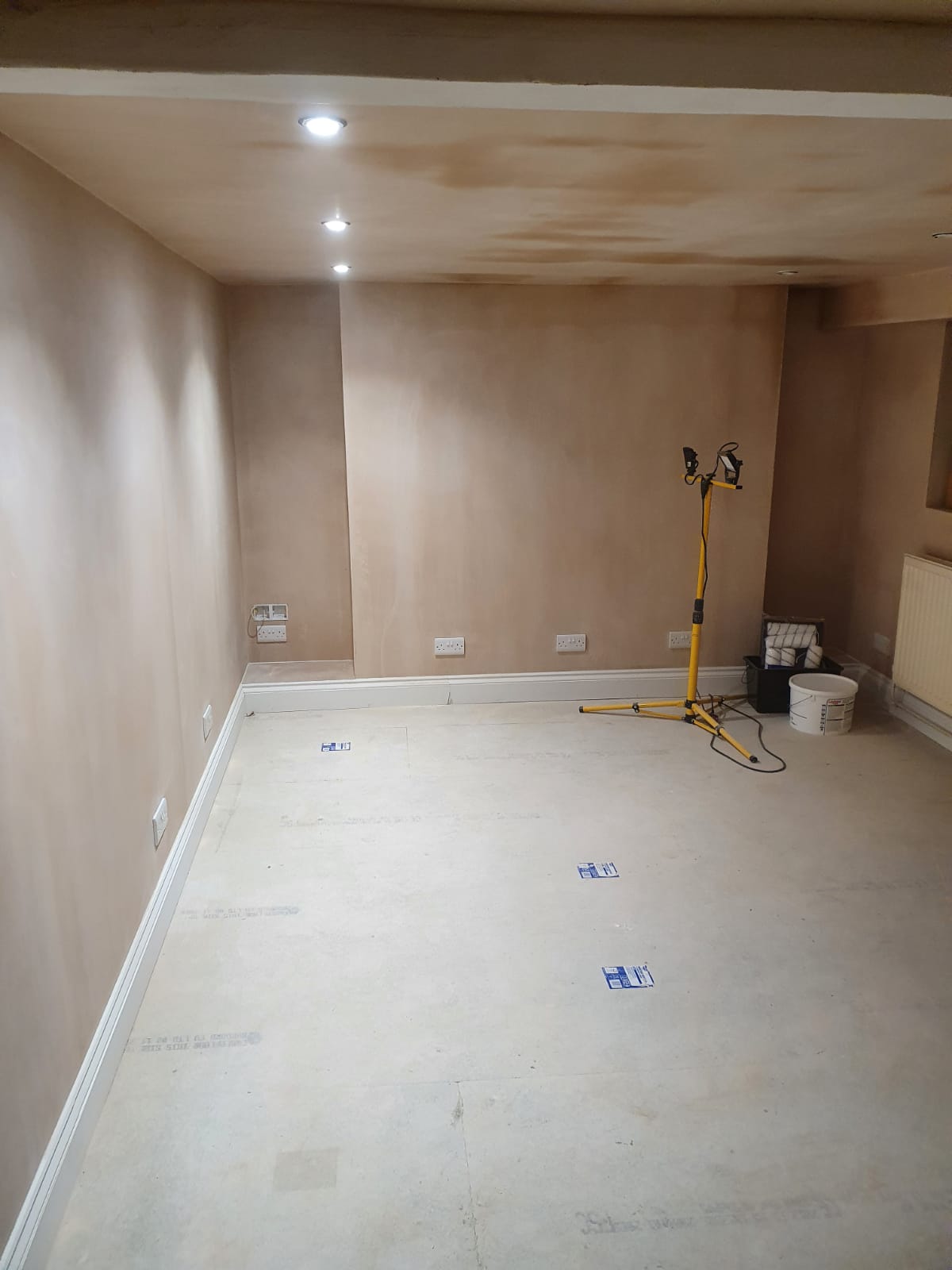
Damp can cause serious damage to your property if left untreated. At Southern Property Preservation, we provide professional damp proofing solutions designed to eliminate moisture problems and protect your home for the long term.
Whether you’re experiencing rising damp, penetrating damp or persistent moisture issues, our experienced team will identify the root cause and recommend the most effective treatment. We don’t believe in temporary fixes—our focus is on providing reliable, long-lasting solutions that protect both your property and your investment.
From period properties to modern homes, we work with homeowners, landlords and commercial clients throughout Hampshire and West Sussex, delivering high-quality workmanship and honest advice on every project.
We provide a complete range of property preservation solutions, including:
Every project is tailored to the individual property and the underlying cause of the damp.
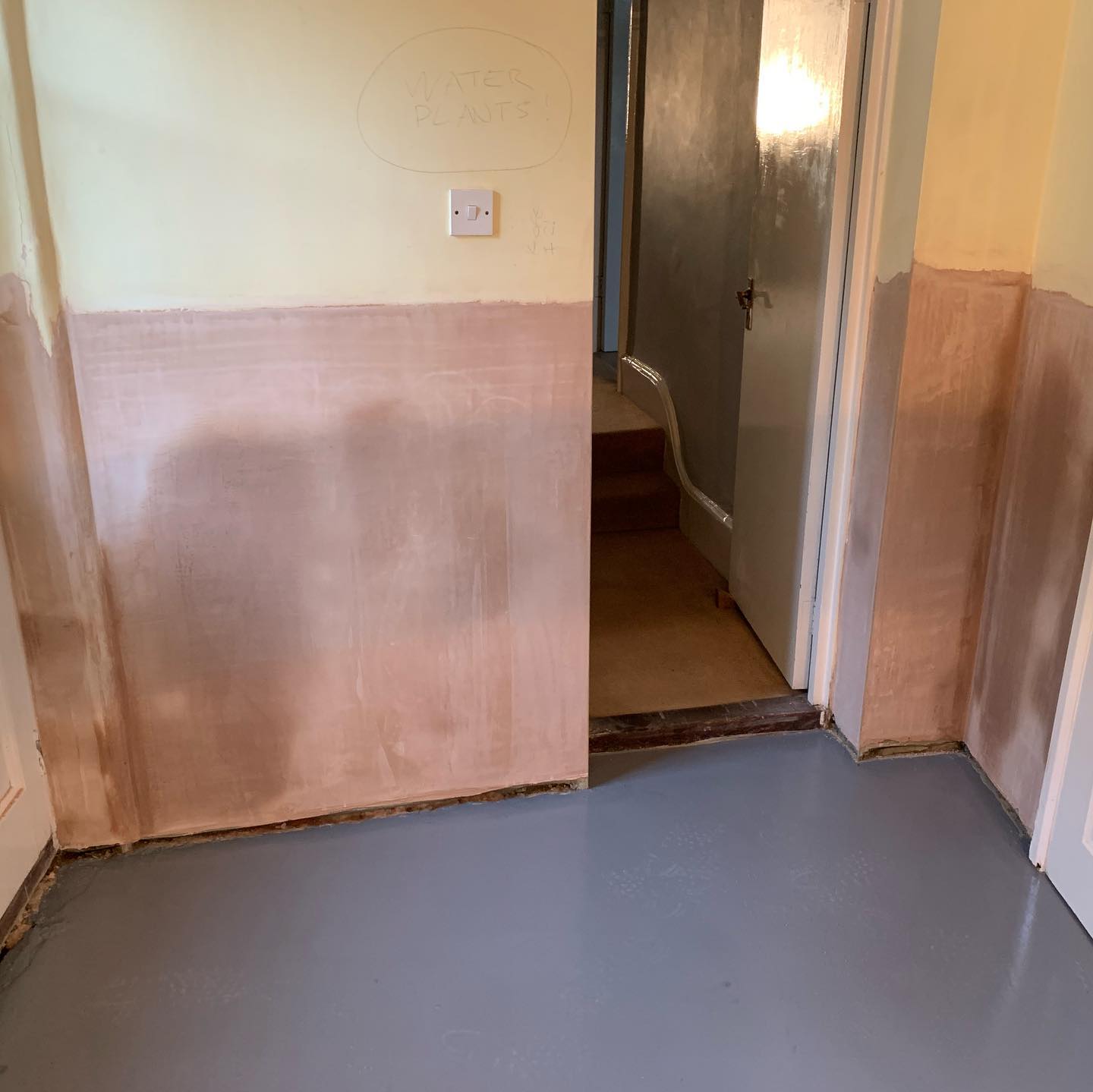
Damp proofing is the process of preventing moisture from entering a building through walls, floors or foundations. Excess moisture can lead to damaged plaster, peeling paint, mould growth, timber decay and structural deterioration if left untreated.
Our specialists carry out a thorough inspection to determine the source of the problem before recommending the most appropriate treatment for your property.
If you’ve noticed any of the following, your property could benefit from professional damp proofing:
Early diagnosis can prevent more extensive and costly repairs.